The last computer
Consumer-grade hardware has outpaced consumer needs.
I’ve been a loyal Mac user for over 20 years. Not only that, I’ve closely followed news, rumors, and analysis about Apple and Macintosh computers. I bought (and budgeted for) a new Apple product every year, be it a Mac, iPhone, iPad, or Apple Watch. As I write this, I haven’t bought a new Apple product in almost six years. My Apple habit ended when I bought the 2020 MacBook Air with the M1 chip.
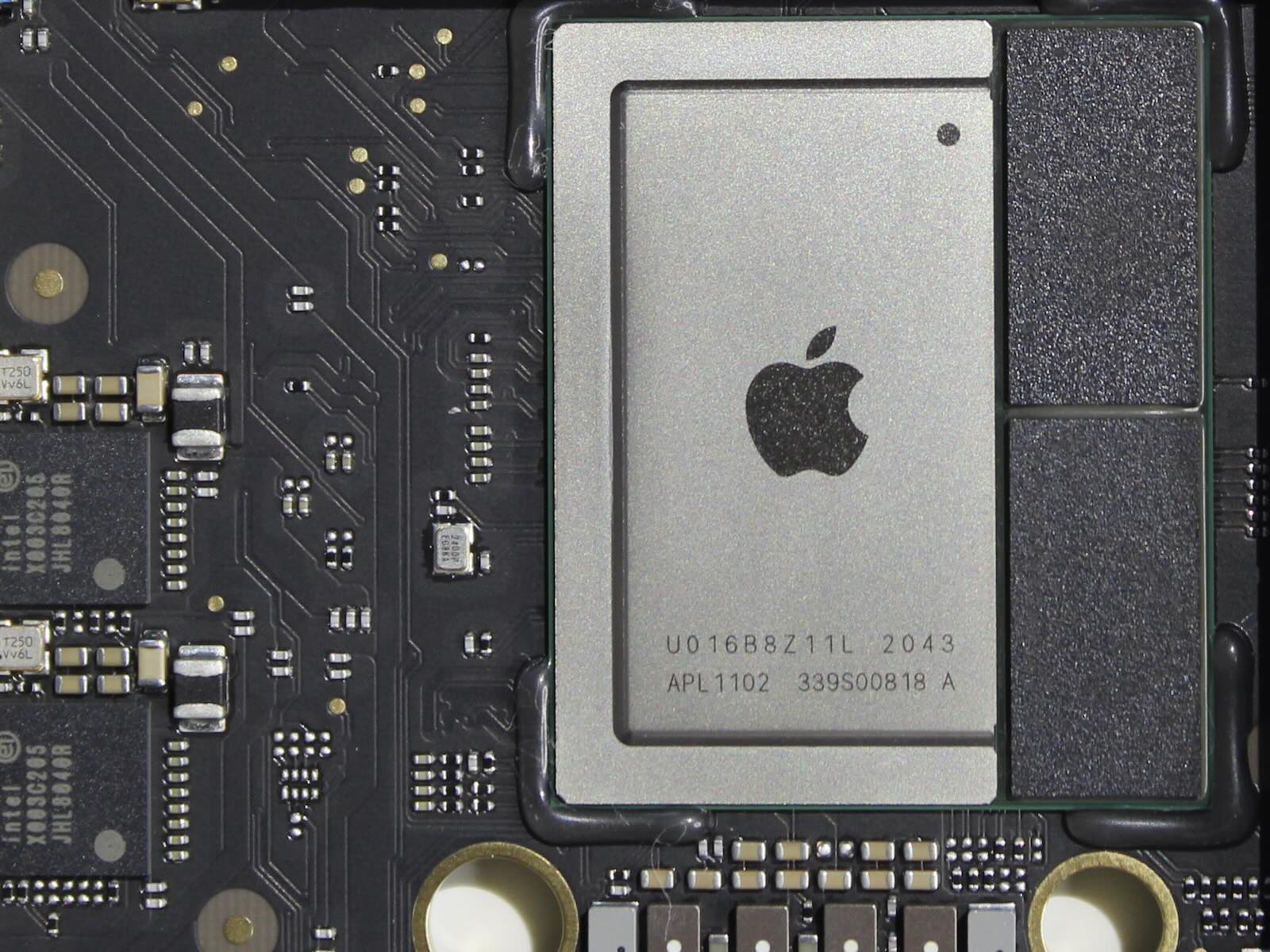
The M1 was the first of Apple’s own “Apple Silicon” chips to go into a Macintosh computer (their A-series chip were in iPhone and iPad since 2010). The performance of the M1 MacBook Air is amazing. It boots up quickly. It wakes up from sleep instantly. It can run a seemingly infinite number of applications and browser tabs, no matter how heavy they are. It can do everything I throw at it without getting hot. And it has so much battery life that I don’t have to think about it.
The performance of the MacBook Air was shocking compared to my still-relatively-new 2018 Mac mini. The Mac mini had a six core Intel desktop-class processor, one of the best Intel chips ever released in a Mac, yet the performance was merely okay. I still saw plenty of spinning beach balls when launching applications and doing normal things. The MacBook Air (which historically sacrificed performance for portability) blew my Mac mini out of the water and I thought, This is my last computer.
The idea of a last computer is really exciting. It broke my habit of always strategizing about my next computer setup. I used to spend a lot of time following the MacRumers Buyer’s Guide and Daring Fireball to determine the best time to jump on a generational upgrade. That’s why I bought the M1 MacBook Air.
When I got it, I was already re-evaluating my technology as future garbage. I knew that eventually all things end up in a landfill, but the M1 MacBook Air posed an exciting challenge to when. Even if it’s landfill-bound, it can serve me longer than any computer ever has. There’s just one problem. Apple will inevitably drop support for it, which is outrageous given that the hardware is capable of running for another decade. I mean, I’m not naive, of course Apple will drop support. They have to, to be the kind of company they are. That’s what kicked off my serious interest in Linux.
For a computer to be my last, it will require an alternative operating system at some point. When talking about alternative operating systems, Linux (which is really a family of operating systems) is the big one. Linux’s hardware support is amazing. Mainstream distributions of Linux supported 32-bit Intel chips until as recently as May of this year, and there are still distributions that support it. That’s an architecture was supported by Linux for over 30 years, nearly as long as I’ve been alive!
So obviously I’m very interested in the Asahi project, which brings Linux to Apple Silicon chips. It’s missing some important features, though the team is working diligently, moving many of their contributions upstream for other Linux distributions to include. I’m keeping an eye on this project because in about four-to-six years, when Apple drops support for the M1, Asahi will be an essential part of keeping this excellent hardware relevant.
Just as future garbage frames the problem of disposable technology, the last computer is a concrete goal that exposes the challenges of refusing to upgrade. It’s a different approach from how I handle other e-waste. In those cases, I’m just trying to keep a device useful for something (e.g. an Android phone audio player, a PC as a retro game system, etc.). A last computer is an everyday personal computer. That forces me to think ahead about a roadmap of software that will keep the machine useful, as well as any repairs it will need (a few battery replacements, at a minimum).
I’m only able to indulge in this thought experiment because the current generation of computer hardware is so good. I’ve never thought a computer was powerful enough to accommodate all my future uses, but the M1 MacBook Air changed that. Even now the six year old computer is good enough for most anyone. I hear that Intel’s new “Panther Lake” chips offer comparable performance and battery life to the Apple’s M-series chips. That means that soon all PCs will be powerful enough to be someone’s last computer.
Obviously every generation of hardware is the best we’ve ever had. The M-series of chips (and comparable) represent something unique. For the first time in my life, consumer-grade hardware has outpaced consumer needs. These computers will certainly push past the usual 3-5 year lifespan without extra effort by their owners. Linux users can already push their hardware over a decade. Now we have the right combination of hardware and software. The last computer is within reach.