
Fairphone support for postmarketOS
The last computer
Consumer-grade hardware has outpaced consumer needs.
Read moreI got my 2008 iMac back
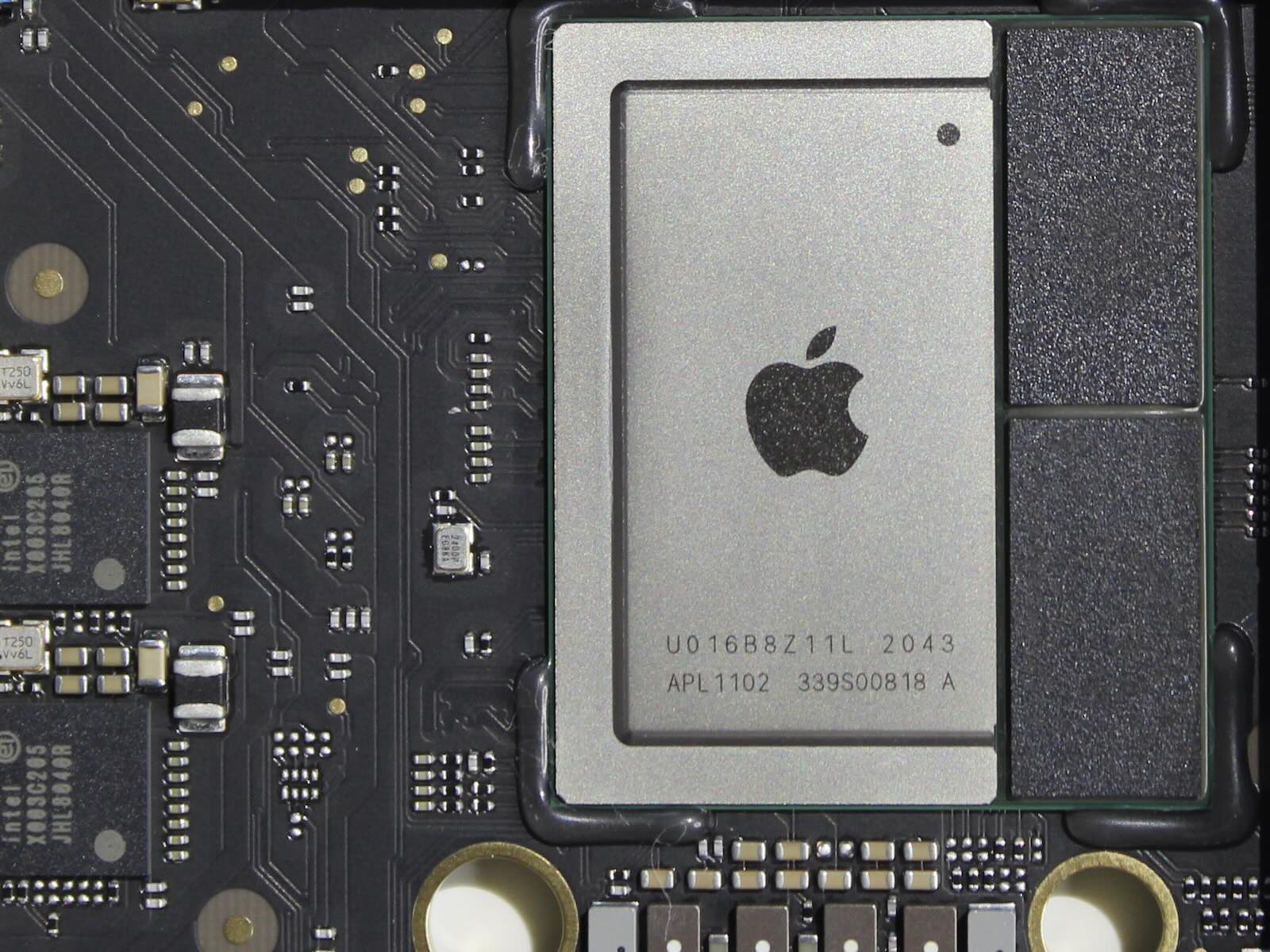
My 2008 iMac is back in my possession after ten years of living at my sister-in-law’s house. I gave it to her in 2016 to use as a family computer where it lived in the living room and used for light web browsing. But for most of the last five years, it’s been in the basement. I was over at their house the other day and I spotted it. I asked if they were still using it (they very obviously were not, but it’s polite to ask anyway) and now I have it back.
Right now it doesn’t boot at all. That’s kind of a good place to be for me. I can tear into it in a way that I’d be too scared to otherwise. As my dad says, “It’s no love lost” if something goes wrong. I’ve already yanked off the glass front panel, which I’ve known is the way to get into these iMacs, but always seemed risky and dangerous.
If I can get this iMac working again, and that’s a big if, I’ll have to figure out what it’s still good for. My top pick is a computer for my kid. That’s something I’ve been thinking about for a while and, while I’m considering using a Surface Pro that I have sitting around, I think a desktop computer is a healthier option for a child. I’d like a computer with a fixed location rather than something that can be carried around the house, at least while early habits around computers are still forming.
Another option is to turn it into a TV or entertainment center. Half the reason I got the iMac instead of an upgraded Mac mini (what I had at the time) or a MacBook (what everybody else had) is that the screen and built-in speakers made it great for watching movies and listening to music. Also Macs at the time had an infrared remote (which I’ve lost) that controlled Front Row, a 10-foot user interface in Mac OS X for viewing on the couch (or, God help, futon). It was a perfect machine when I had a big MP3 library and Netflix’s 3-disc-at-a-time plan. I could re-create some of that by installing Kodi/LibreELEC.
It’s too underpowered to be competitive as a generic Linux/Debian environment for me. There’s no reason I’d ever choose it over another device for that purpose. But maybe I could use it as a terminal-only writer deck. Foregoing any graphic user interface is the best way to breathe life into old hardware. Most of the RAM and CPU usage comes from just displaying things on screen. Without a graphical interface, entire categories of resource-hungry applications just aren’t viable like web browsing or watching videos. And multi-tasking becomes a less intuitive, if not completely impractical, thing to do. Going terminal-only is always an option, though it’s a change that comes with very steep trade-offs. I don’t look forward to explaining to my spouse that this bulky computer taking up precious space can’t do any of the things that we understand a computer to do.
Anyway, I’ll need to get this thing cleaned up and diagnose the boot issue before I can do anything. If nothing else, it’s interesting to think about uses for older Intel-based Apple computers.
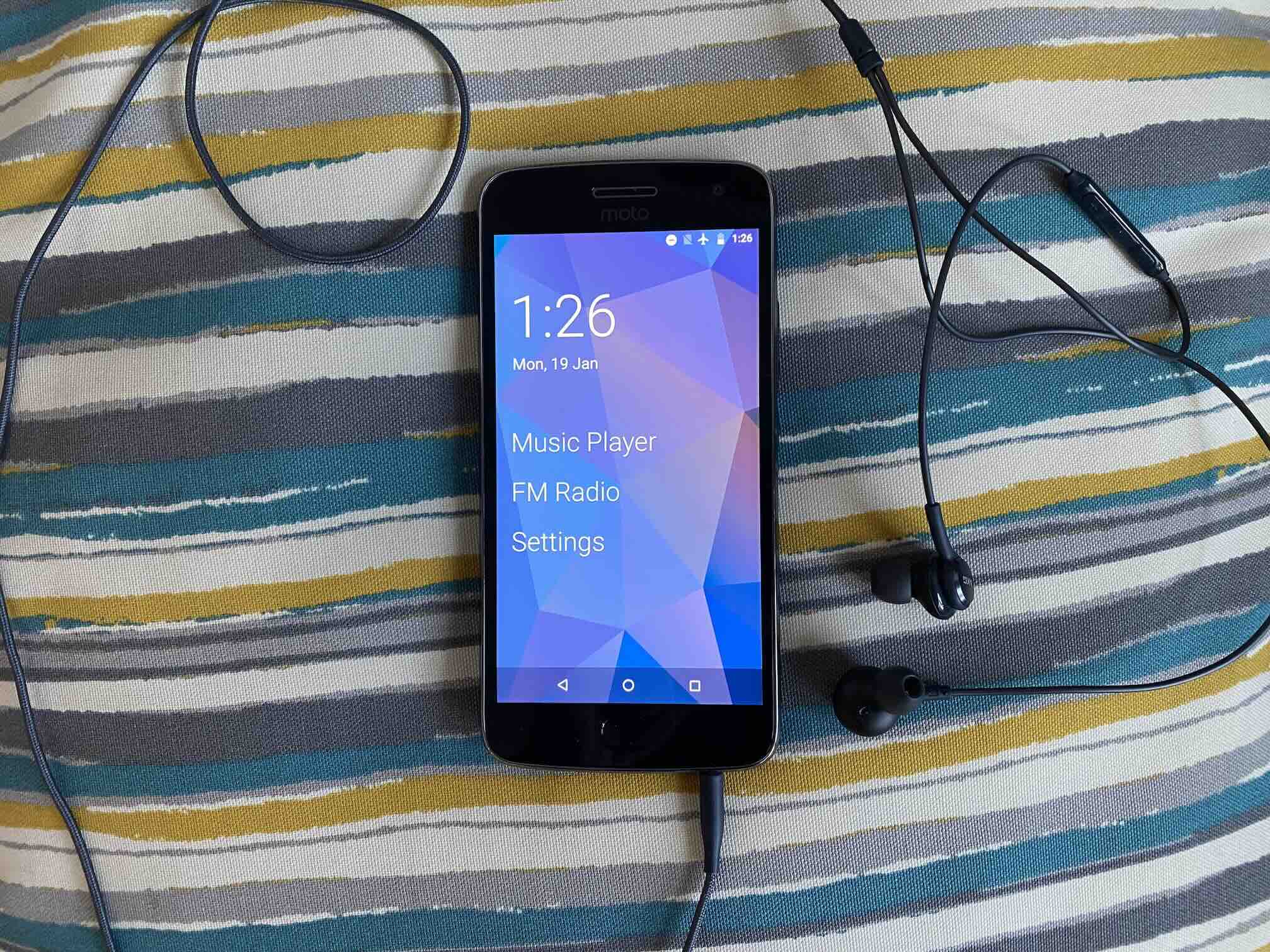
Moto G5 Plus iPod
For very little effort, I have a media player with some unique features.
Read more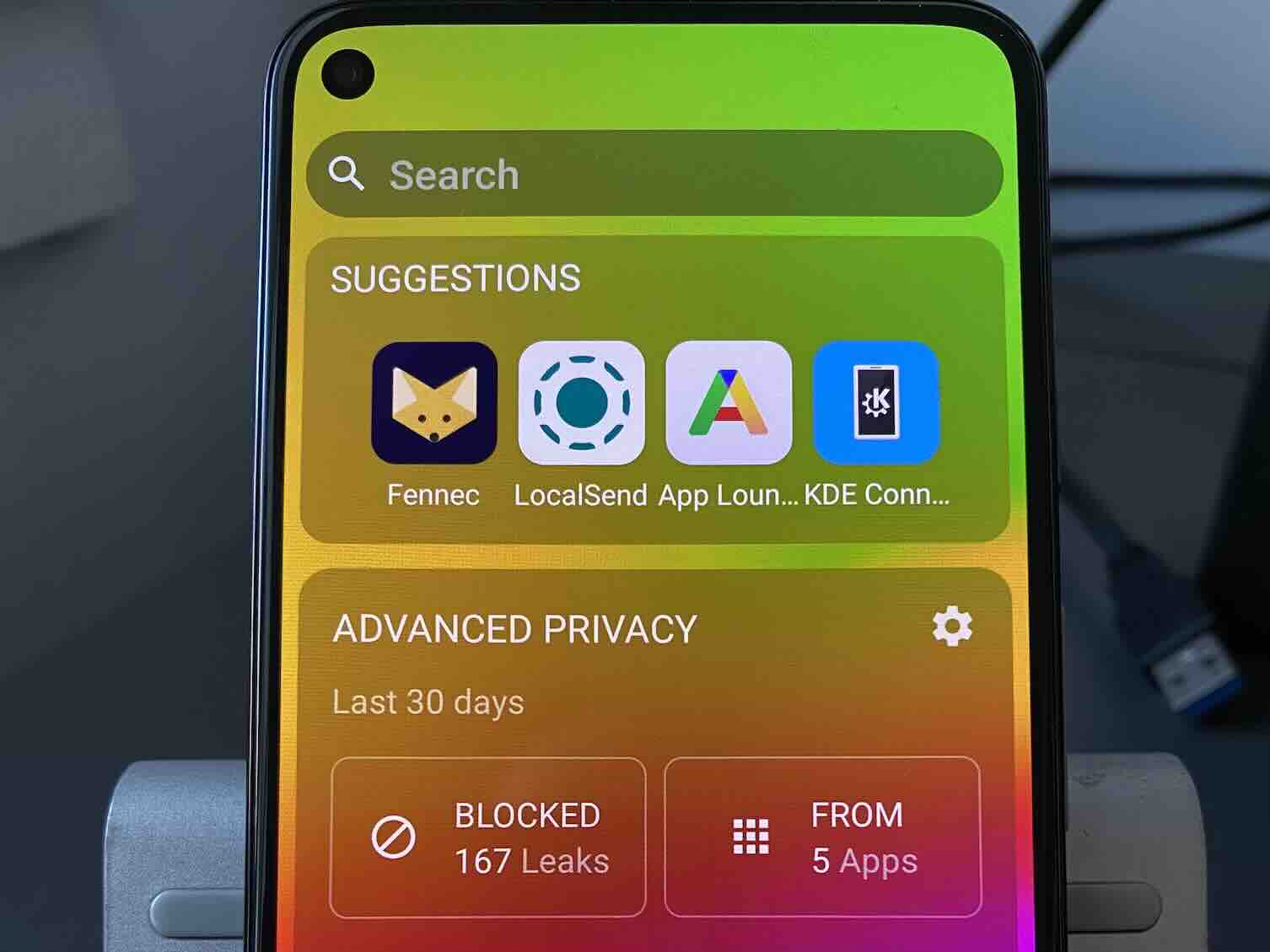
/e/OS, favorite tech 2025
/e/OS is a Google-free version of Android that has the level of polish befitting a daily driver.
Read more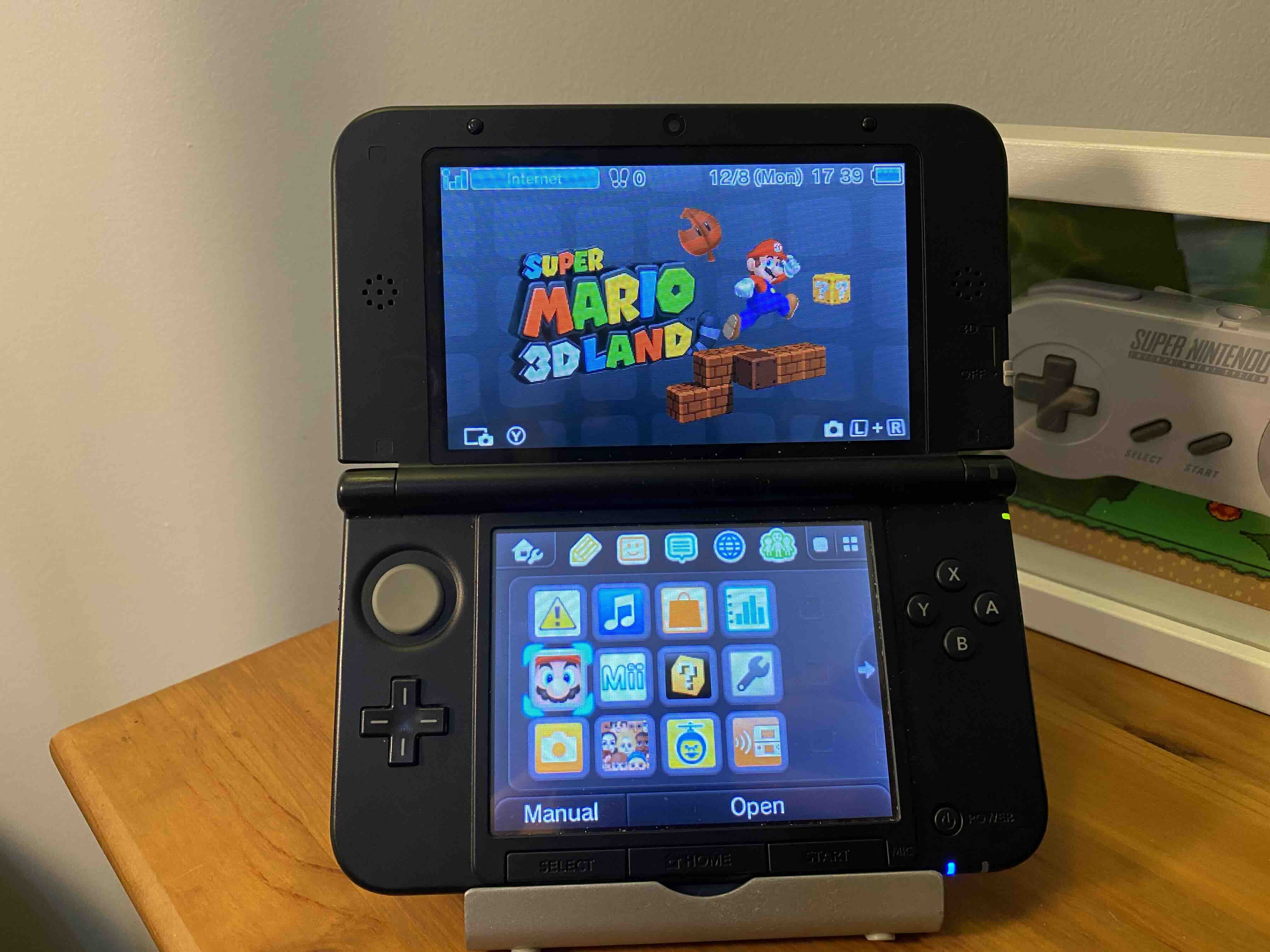
Nintendo 3DS, favorite tech 2025
The 3DS is not new tech, but it's new to me and I'm having a blast!
Read more
The best alternative to iOS and Android is... Android
We need alternative software for mobile phones and we need it yesterday.
Read more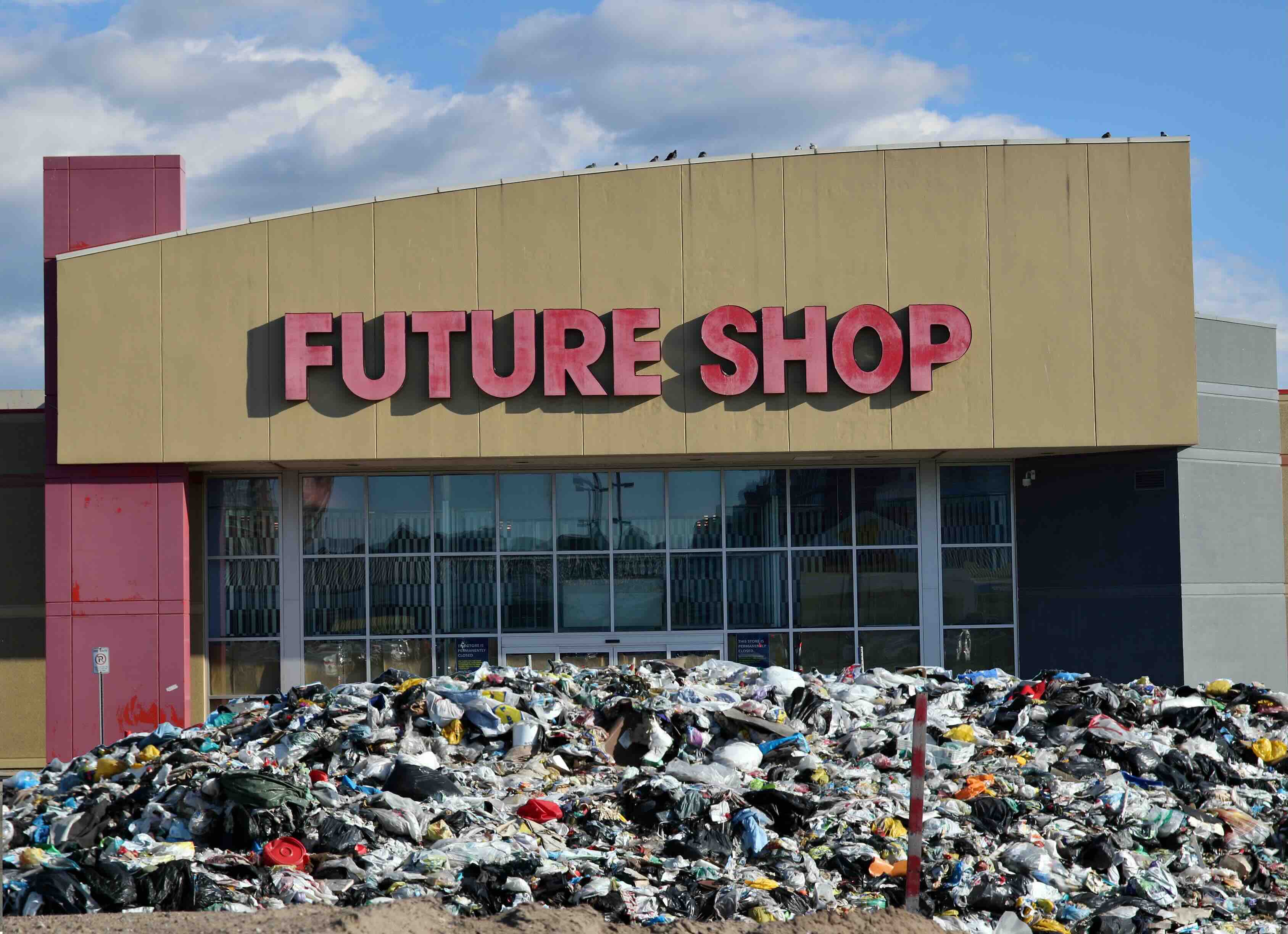
Future garbage
It's time to get serious about planned obsolescence.
Read more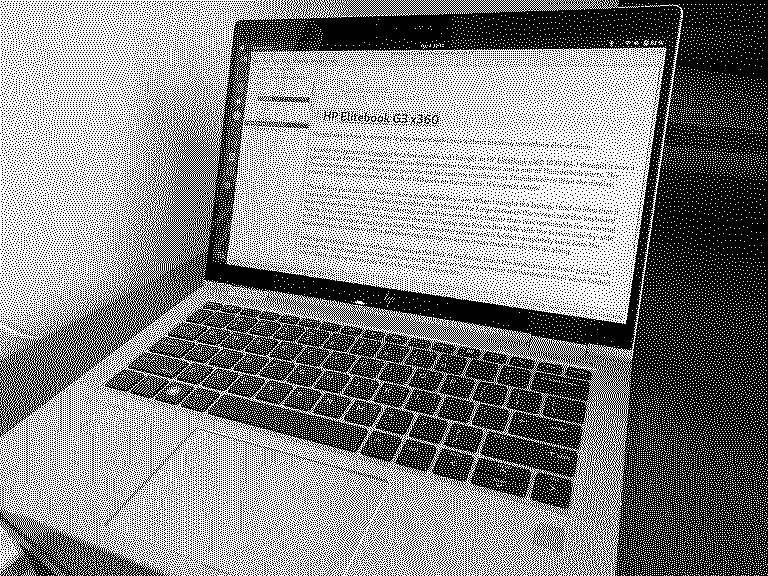
My new seven year old laptop
I took the rite of passage of installing Linux on an older laptop.
Read more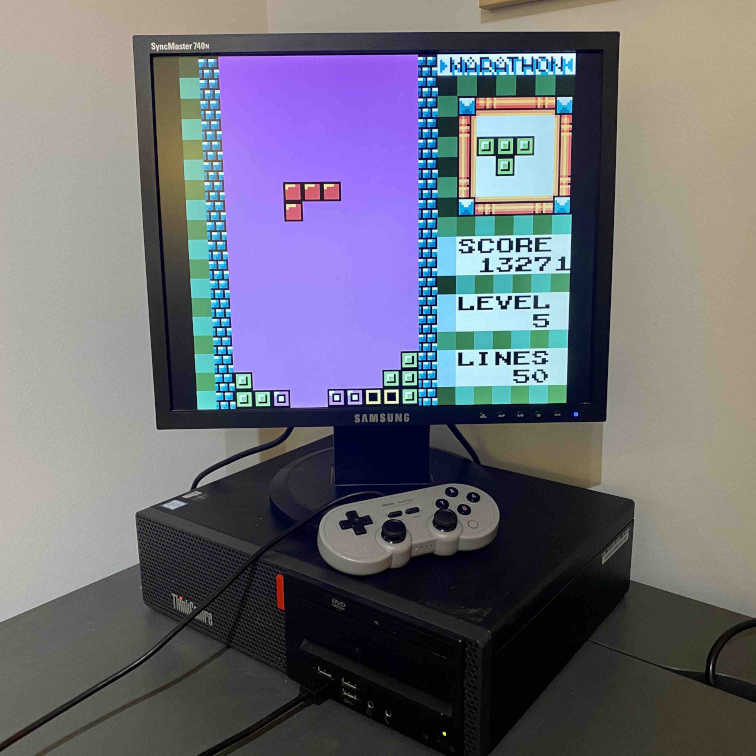
My Super Games Machine
I made the perfect retro video game system. It plays all the games I want, but what I love most about it is that I completed anything at all.
Read more
Fairphone is on my radar as a repairabile alternative phone. And it’s optionally available with /e/OS, a polished Google-free fork of Android, which doubly puts Fairphone on my radar.
Recently I watched an interview with the team at Fairphone. This phone got SEVEN years of software updates - Fairphone - https://www.youtube.com/watch?v=rePi1pjJcX0
Listening to Agnès Crepet, head of Software Engineering at Fairphone, she said something that caught my attention (emphasis mine):
I love to hear that postmarketOS is something the software engineering team of Fairphone is on their mind. And this quote is coming from someone who has the power to actually help. Software engineering support in this context probably means providing information about hardware drivers (and maybe the drivers themselves) so that postmarketOS can work well with the Fairphone hardware.
Crepet says supporting postmarketOS is important for the independence of the software. I may be reading too much into what she said, but I imagine that people focused on hardware longevity know that independent software will become necessary to keep their devices out of landfills. Fairphone beats the competition in terms of long-term software support, but it’s still future garbage after that.
I notice that despite Fairphone’s supportive stance toward postmarketOS, we don’t see the fruit of that support today. Only the Fairphone 4 appears as a testing device for postmarketOS. What of the Fairphone 5 or 6? That probably speaks to how under-resourced the project is.
I get it. Shoehorning a general purpose operating system onto locked down devices with closed-source drivers is a difficult software problem. I’m a software developer myself and I know how difficult it is to maintain a software project, and I work on a much smaller scope.
Go look at how many devices on are the postmarketOS wiki. There are tons, but nearly all of them are impractical to use. The postmarketOS team is upfront about the work-in-progress state of things, but it still falls short of what I hope for.
I wring my hands a little over the lack of postmarketOS progress because of how badly we need it, or something like it. We’re at a point where even old electronics are quite capable. We have to stop throwing them away. And the corporations that made them won’t lift a finger to help.
When Amazon recently declared a couple generations of Kindle Fire Android tablets end of life, that would be the perfect time for an alternative operating system. I don’t have the figures, but Amazon has the retail traffic and self-promotional power to put Kindle Fire tablets among the most popular Android tablets in the United States. That’s just one example of a relatively popular device becoming garbage before it has to.
Somebody needs to put commercial money into postmarketOS if it’s going to solve a problem in my lifetime. Obviously the postmarket team doesn’t make their own phone, but maybe the Fairphone could be something like a “flagship” phone for postmarketOS. The presence of a flagship phone could attract other commercial interests who want an operating system without building their own or making a deal with Google. Fairphone is an ideologically aligned partner, they just have to get there. It gives me something to dream about, anyway.